
Dean@Ditendra
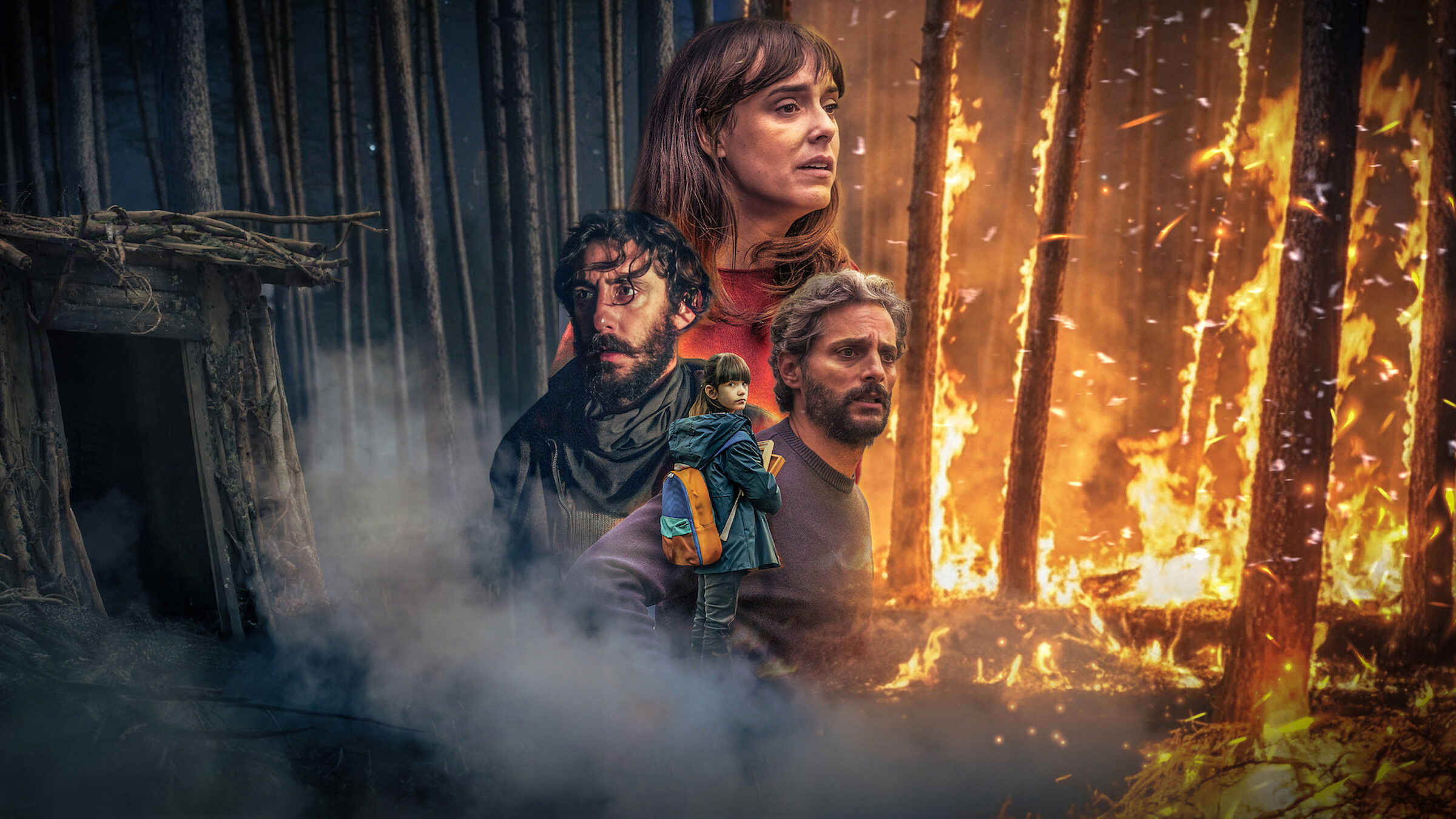
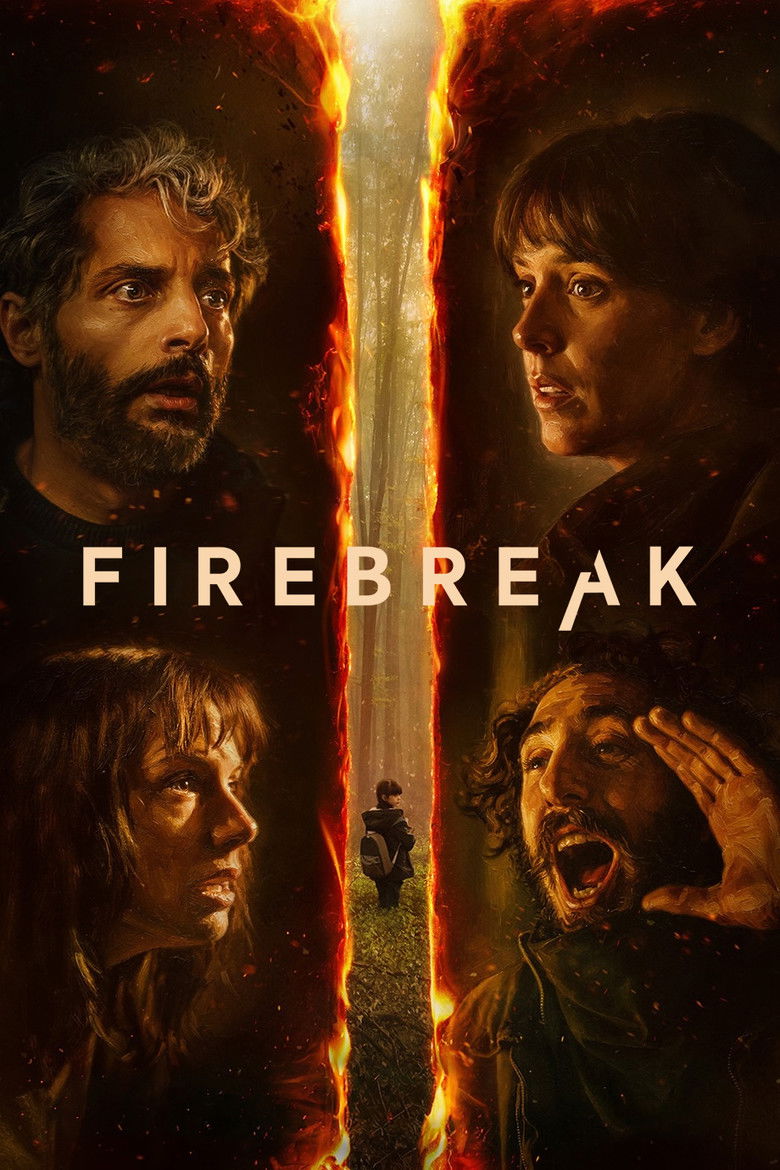
Firebreak is a rare gem in modern European cinema. What starts as a heart-pounding race against a natural disaster quickly evolves into a deeply unsettling psychological thriller. Director David Victori perfectly captures the claustrophobia of a forest fire, but the real "heat" comes from the breakdown of human trust under pressure.
Without spoiling it, the twist is absolutely mind-blowing. It recontextualizes everything you’ve seen in the first two acts. The film brilliantly explores how grief and panic can turn innocent neighbors into villains in our own minds. The symbolism of the bear and the "firebreak" itself (the idea of stopping the spread of violence) adds a layer of depth that most disaster movies lack.

Marco-Hugo Landeta Vacas@decatur555
(CASTELLANO) Me ha gustado mucho porque es de esas pelis que te agarran por una cosa muy simple (una situación límite) y, sin hacer demasiado ruido, te van metiendo en un sitio bastante oscuro. Empieza como un thriller de supervivencia, pero lo que de verdad aprieta es lo emocional.
La película juega muy bien con la idea de la culpabilidad: esa sensación pegajosa de “si hubiera hecho esto” o “si no hubiera dicho lo otro”. Y lo más inquietante es cómo la cabeza puede retorcerlo todo hasta que ya no sabes si estás viendo hechos, miedo o una mezcla de ambos.
El ritmo me ha funcionado. No se recrea, va al grano, y aprovecha el tiempo para tensar sin parar, con escenas que parecen pequeñas pero que te dejan incómodo. No es una peli de giros para lucirse, es más de mantenerte con el estómago encogido.
Belén Cuesta sostiene la historia con mucha verdad. Está contenida, pero se nota todo el desgaste por debajo, y eso hace que te la creas incluso cuando la película se pone más extrema. El resto del reparto acompaña bien, sin robar foco, que aquí lo importante es el pulso de ella.
A nivel de puesta en escena, el incendio no es solo “espectáculo”: funciona como presión constante, como reloj, como amenaza física y mental a la vez. Hay momentos muy logrados en cómo mezcla lo real con lo que el personaje proyecta.
En conjunto, es un thriller muy entretenido, pero con un fondo bastante triste y humano. Te deja pensando en lo fácil que es que la mente te engañe cuando estás roto por dentro, y en lo rápido que todo puede acabar mal.
(ENGLISH) I really liked it because it’s one of those films that grabs you with something very simple (a situation at the limit) and, without making a big show of it, pulls you into a pretty dark place. It starts like a survival thriller, but what really tightens the screws is the emotional side.
The film plays very well with the idea of guilt: that sticky feeling of “if only I’d done this” or “if only I hadn’t said that.” And what’s most unsettling is how your mind can twist everything until you don’t know whether you’re watching facts, fear, or a mix of both.
The pacing worked for me. It doesn’t linger, it goes straight to the point, and it uses its time to keep tightening the tension, with scenes that feel small but leave you uneasy. It’s not a movie that shows off with twists; it’s more about keeping your stomach clenched.
Belén Cuesta carries the story with real honesty. She’s restrained, but you can feel all the damage underneath, and that makes you believe her even when the film gets more extreme. The rest of the cast supports well without stealing the spotlight, because what matters here is her pulse.
In terms of staging, the wildfire isn’t just “spectacle”: it works like constant pressure, like a ticking clock, like a physical and mental threat at the same time. There are really strong moments in how it blends what’s real with what the character projects.
Overall, it’s a very entertaining thriller, but with a pretty sad and human core. It leaves you thinking about how easily the mind can lie to you when you’re broken inside, and how quickly everything can end badly.